
Fleet management refers to the process of managing and coordinating a group of vehicles to ensure they are operated efficiently, safely, and cost-effectively. It involves the use of technology, policies, and procedures to monitor vehicle performance, driver behavior, fuel usage, maintenance, and overall fleet operations.
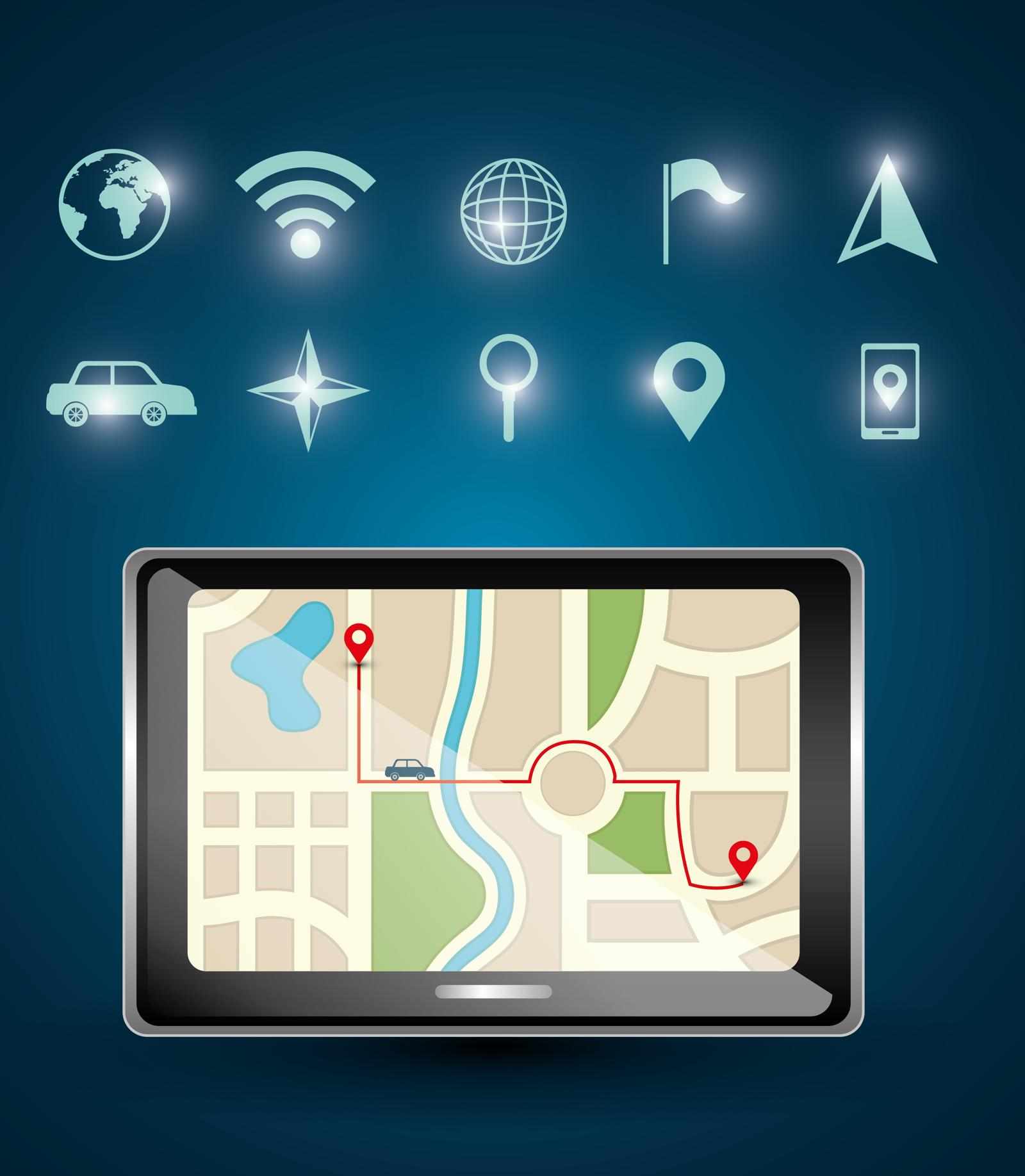
Modern fleet management systems rely heavily on GPS tracking, telematics, and data analytics. These technologies provide real-time information on vehicle location, speed, route history, fuel consumption, and engine health. Fleet managers use this data to optimize routes, reduce fuel costs, improve driver safety, prevent vehicle misuse, and ensure timely maintenance.
Fleet management is widely used in industries such as transportation, logistics, public services, construction, and waste management. Benefits include improved operational efficiency, reduced downtime, enhanced compliance with regulations, better customer service, and lower operating costs.
With advancements in digital technology and smart analytics, fleet management continues to evolve, enabling organizations to make data-driven decisions and maintain greater control over their vehicle assets.



Write a comment ...